← Back to Blog
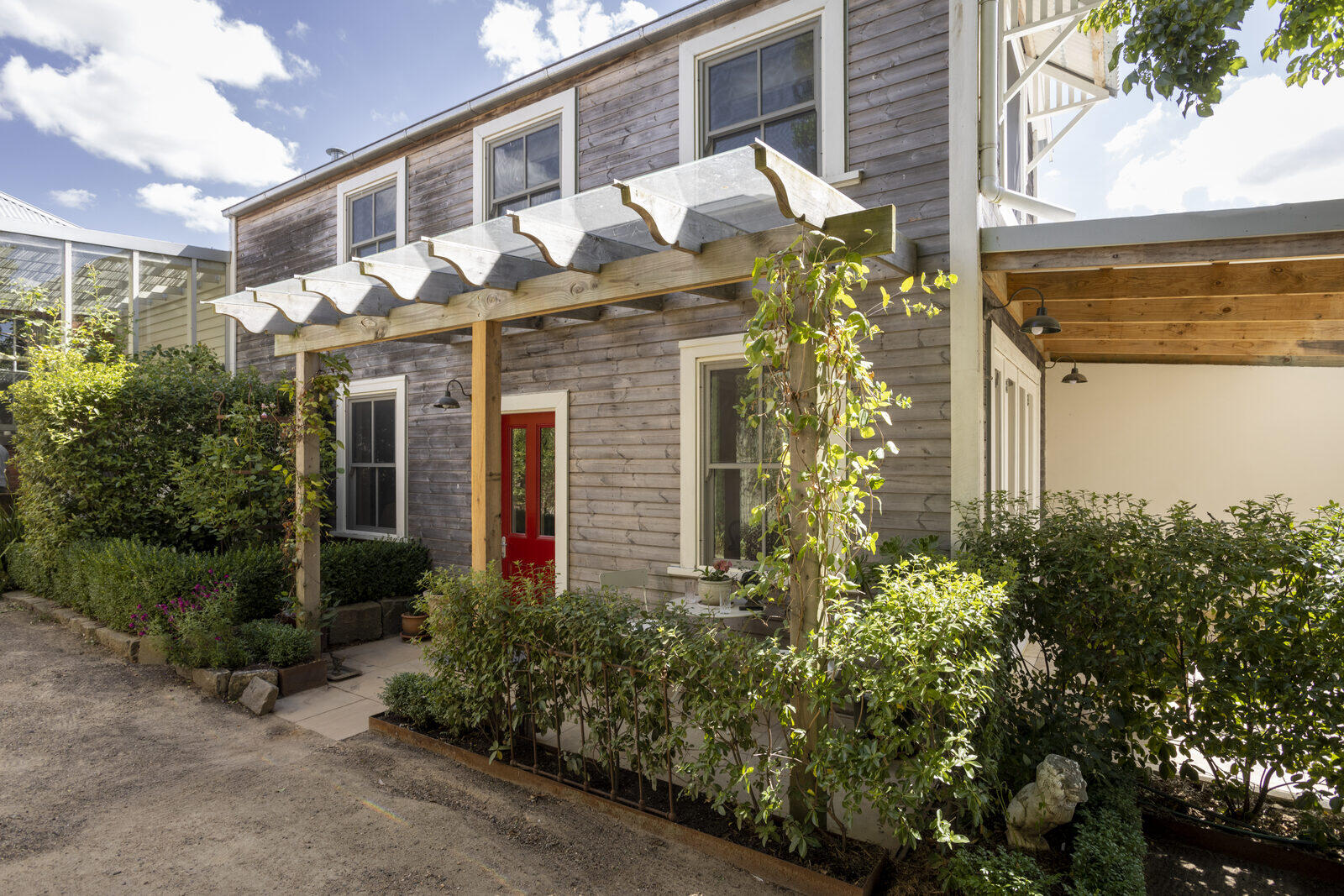
We spend roughly 90% of our time indoors. The materials surrounding us have a direct impact on the air we breathe, the temperature we feel, and ultimately, our long-term health. Yet most conventional construction pays little attention to indoor environmental quality.
The problem with conventional materials
Standard building products often contain volatile organic compounds (VOCs) that off-gas for months or years after installation. Synthetic insulation, engineered timber products with formaldehyde-based adhesives, vinyl flooring, and acrylic paints all contribute to poor indoor air quality.
The result is what building scientists call "sick building syndrome," where occupants experience headaches, fatigue, respiratory irritation, and allergic reactions that improve when they leave the building.
Natural alternatives that perform
Choosing natural materials isn't about compromise. In many cases, natural options outperform their synthetic counterparts:
- Hempcrete walls regulate humidity naturally, preventing the conditions that allow mould to develop. They're also completely non-toxic.
- Lime plasters and renders are naturally antibacterial and allow walls to breathe, preventing moisture buildup.
- Timber framing from sustainably managed forests provides structural integrity without the embodied energy of steel.
- Natural oil and wax finishes protect timber without releasing harmful chemicals.
- Sheep's wool insulation absorbs formaldehyde and other VOCs from the air, actively improving indoor air quality.
Humidity: the invisible comfort factor
Indoor humidity affects everything from respiratory comfort to dust mite populations. Conventional homes rely on mechanical ventilation to manage moisture, with varying success.
Hempcrete and lime-finished walls passively maintain indoor humidity between 40 and 60%, the range recommended by health authorities. This isn't a theoretical benefit. Our clients report noticeably better sleep, fewer allergy symptoms, and a general sense of comfort that's hard to quantify but impossible to ignore.
Thermal comfort without mechanical dependence
A well-designed natural home maintains comfortable temperatures with minimal mechanical heating or cooling. This isn't just about energy bills (though those drop significantly). It's about eliminating the dry, artificial feeling of ducted heating and the cold drafts of reverse-cycle air conditioning.
Natural thermal mass works silently, constantly, and for free. Our Castlemaine hempcrete home, for example, achieved an 8.5 star energy rating while delivering a level of thermal comfort that no amount of mechanical equipment could replicate.
Building for the long term
Healthy materials tend to be durable materials. Lime mortars last centuries. Hempcrete improves with age as the lime continues to carbonate. Solid timber frames can stand for generations with proper detailing.
When you build with natural materials, you're investing in a home that gets better over time, not one that needs replacing every 20 years.
Want to build a healthier home?
We'd love to show you how natural materials can transform your living environment.
Start a Conversation