Heritage Home Renovation: Planning Your Project in Victoria
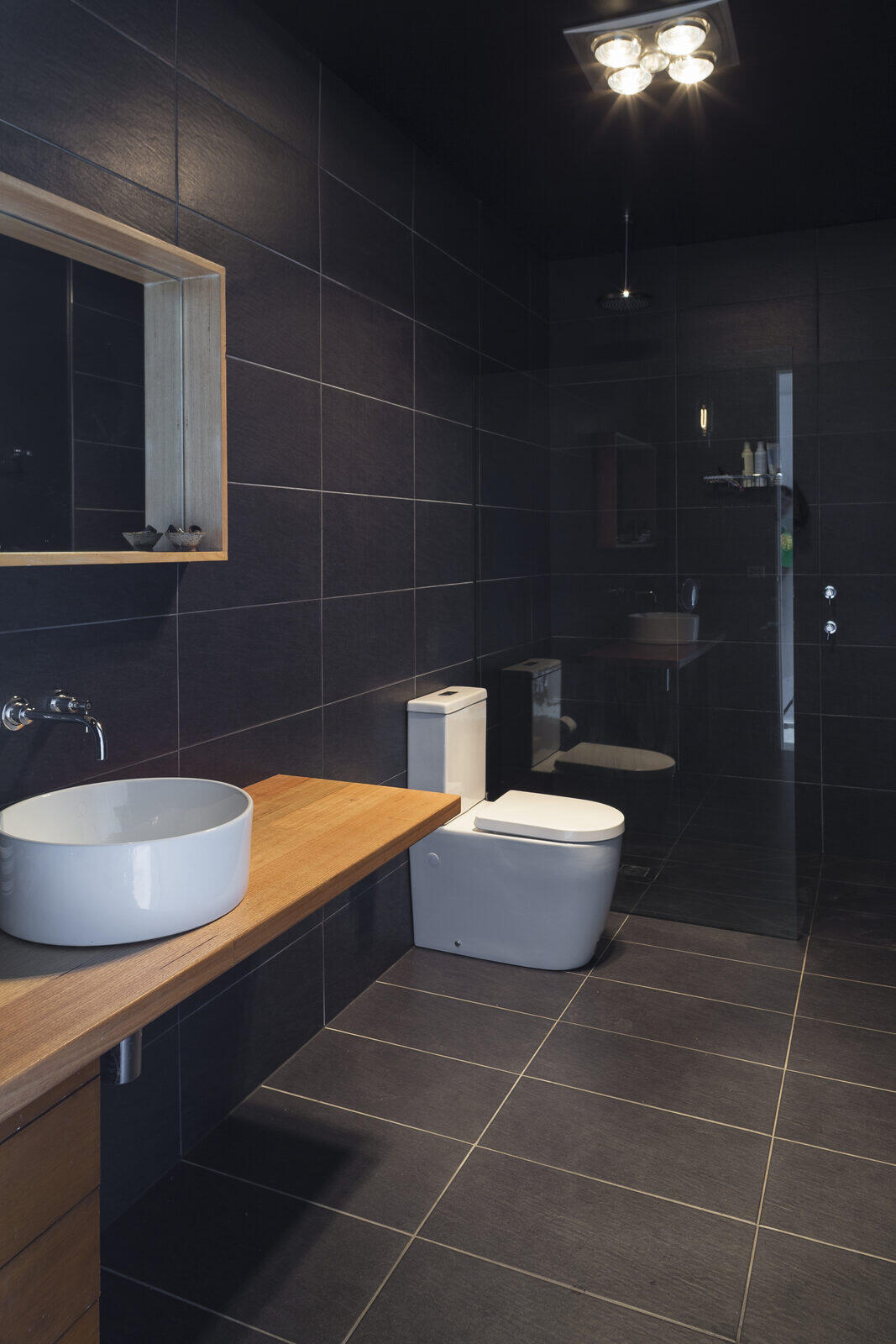
Heritage homes offer character and craftsmanship impossible to replicate in new builds. However, renovating a heritage property requires careful planning, specialized knowledge, and often additional approvals. Here's your complete guide to navigating heritage renovation in Victoria.
Understanding Heritage Listings
Heritage Overlay Areas
In Victoria, heritage controls operate at three levels:
National Heritage List
Sites of outstanding national significance managed by the Australian Government.
Victorian Heritage Register
State-significant places managed by Heritage Victoria. Requires permits for most changes.
Local Heritage Overlays
Locally significant places managed by councils. Most heritage homes fall into this category.
Checking Your Property's Status
Before planning any work, determine your property's heritage status:
- Planning certificates: Request from your council
- VicPlan: Online mapping showing heritage overlays
- Heritage Victoria: Check the state heritage register
- Council heritage studies: Detailed assessments of local heritage
Planning and Permits
What Requires a Permit
Heritage overlay controls typically require permits for:
External Changes
- Demolition or removal of any structure
- Exterior alterations or additions
- New buildings or structures
- Changes to roof materials or colours
- Window and door replacements
- Fence construction or modification
- Tree removal (if protected)
Internal Changes
For highly significant buildings, internal alterations may also require permits:
- Removing or altering walls
- Installing new services (plumbing, electrical, HVAC)
- Floor plan modifications
- Changes to significant interiors
Permit Exemptions
Some minor works are typically exempt:
- Internal painting and decorating
- Minor repairs using matching materials
- Garden maintenance (excluding protected trees)
- Emergency safety works
- Like-for-like replacement of non-original elements
Design Principles for Heritage Renovation
Conservation vs Restoration
Conservation
Preserving existing fabric and character while allowing sensitive adaptation:
- Retain original materials where possible
- Repair rather than replace
- Document changes for future reference
- Use compatible materials for new work
Restoration
Returning the building to its original state:
- Remove inappropriate later additions
- Reconstruct missing original elements
- Use traditional materials and techniques
- Research historical documentation
Addition Design Strategies
Contemporary Addition
Modern additions that clearly read as new:
- Benefits: Honest expression of different eras
- Approach: Complementary but distinct materials and forms
- Connection: Link elements that minimize impact on original
Sympathetic Addition
New work that echoes the original but remains distinguishable:
- Benefits: Seamless appearance from street
- Approach: Similar materials, proportions, and details
- Difference: Subtle variations that indicate new work
Reconstruction
Rebuilding missing parts of the original building:
- Benefits: Restores original character
- Requirements: Historical evidence of original design
- Materials: Match original materials and techniques
Common Heritage Building Issues
Structural Problems
Foundation Issues
Many heritage homes lack modern foundations:
- Symptoms: Uneven floors, cracking walls, sticking doors
- Solutions: Underpinning, screw piles, or ground improvement
- Approach: Minimal intervention with reversible techniques
Timber Decay
Moisture and pest damage in older timber structures:
- Assessment: Professional inspection including destructive testing
- Repair: Timber repair systems or selective replacement
- Prevention: Improved drainage and ventilation
Building Envelope
Roof Issues
- Slate roofs: Individual slate replacement, snow guards, proper ventilation
- Tile roofs: Matching replacement tiles, ridge cap renewal
- Metal roofs: Corrosion treatment, seam repair
Wall Problems
- Stone walls: Repointing with compatible mortar, stone consolidation
- Brick walls: Matching brick replacement, tuckpointing
- Weatherboard: Individual board replacement, appropriate paint systems
Window and Door Issues
- Sash windows: Sash cord replacement, glazing putty renewal
- Casement windows: Hardware restoration, weather seal replacement
- Doors: Hardware restoration, draught sealing, lock upgrades
Modern Systems in Heritage Homes
Heating and Cooling
Hydronic Heating
In-floor or radiator systems that don't require ductwork:
- Benefits: Even heat, no visible vents, quiet operation
- Installation: Minimal structural impact
- Efficiency: Works well with heritage thermal mass
Split System Air Conditioning
- Discrete installation: Hide units in roof spaces or courtyards
- Multi-zone systems: Individual room control
- Heritage-friendly units: Choose colours and styles that blend
Electrical Upgrades
- Safety compliance: Meet current electrical standards
- Discrete installation: Surface-mounted conduit or period-appropriate fixtures
- Smart home integration: Wireless systems minimize impact
Plumbing Modernisation
- Pipe replacement: Remove old lead pipes, install modern systems
- Bathroom additions: Create ensuites without compromising character
- Kitchen upgrades: Modern functionality with period styling
Cost Considerations
Heritage Renovation Premiums
Heritage renovations typically cost 20-50% more than conventional renovations:
Planning and Permits
Heritage consultant fees, extended approval timeframes
Specialist Tradespeople
Experienced heritage craftspeople command higher rates
Material Matching
Reclaimed materials, custom manufacturing, small quantities
Structural Issues
Foundation repairs, structural strengthening
Budget Planning Tips
- Detailed assessment: Comprehensive building inspection before starting
- Large contingency: 25-30% for heritage projects vs 15% for new builds
- Phased approach: Complete essential works first, cosmetic items later
- Grant opportunities: Check for heritage restoration grants
Finding the Right Team
Heritage Architect
Essential for significant heritage projects:
- Experience: Portfolio of similar heritage projects
- Relationships: Good working relationship with Heritage Victoria/councils
- Philosophy: Balanced approach to conservation and adaptation
Heritage Builder
Choose builders with heritage experience:
- Portfolio: Documented heritage renovation projects
- Trades network: Access to specialized heritage tradespeople
- Materials knowledge: Sources for heritage materials
- Problem-solving: Experience with unexpected heritage challenges
Specialist Consultants
Heritage Consultant
- Heritage impact assessments
- Historical research and documentation
- Permit application support
- Material and technique advice
Conservation Architect
- Detailed conservation methodology
- Material analysis and testing
- Restoration specifications
- Ongoing project monitoring
Regional Victoria Considerations
Common Heritage Styles
Victorian Era (1840s-1910s)
- Materials: Local stone, imported slate, hardwood weatherboard
- Features: Verandahs, cast iron decoration, bay windows
- Challenges: Lead paint, asbestos in later additions
Inter-War Period (1919-1940)
- Styles: Californian Bungalow, Art Deco, Georgian Revival
- Materials: Face brick, tile roofs, steel frame windows
- Features: Built-in furniture, decorative glazing
Local Resources
- Stone quarries: Castlemaine, Harcourt, Malmsbury sources
- Timber suppliers: Reclaimed materials from local demolitions
- Traditional skills: Local craftspeople with heritage experience
Sustainability and Heritage
Balancing Conservation and Efficiency
Thermal Performance
- Internal insulation: Add insulation without changing exterior
- Window treatments: Shutters, blinds, or thermal curtains
- Draught sealing: Improve comfort without altering character
Solar Integration
- Roof placement: Non-visible locations where possible
- Ground-mounted systems: Alternative for complex rooflines
- Heritage-appropriate panels: Tiles or discrete mounting systems
Traditional Materials Benefits
Many heritage buildings already incorporate sustainable principles:
- Thermal mass: Stone and brick moderate temperatures
- Natural ventilation: High ceilings and windows provide cooling
- Durable materials: Quality materials designed for longevity
- Local materials: Reduced transport impacts
Legal and Insurance Considerations
Insurance Challenges
- Higher premiums: Heritage homes cost more to insure
- Specialized cover: Ensure coverage for heritage materials and techniques
- Valuation: Professional heritage valuation may be required
- Builder requirements: Some insurers require heritage-experienced builders
Contract Considerations
- Variations: Heritage projects often reveal unexpected issues
- Materials: Specify how heritage material shortages will be handled
- Timeframes: Allow for heritage approval processes
- Standards: Define acceptable heritage practice standards
Living in a Heritage Home
Maintenance Requirements
Heritage homes require ongoing specialized maintenance:
- Regular inspections: Annual professional assessments
- Preventive care: Address small issues before they become major problems
- Appropriate materials: Use compatible materials for repairs
- Skilled trades: Maintain relationships with heritage-experienced contractors
Ongoing Responsibilities
- Heritage compliance: Future changes may require permits
- Documentation: Maintain records of all changes and repairs
- Insurance: Regular valuations and coverage reviews
- Community role: Heritage homes contribute to neighborhood character
Planning a Heritage Renovation?
With over 35 years of experience in heritage restoration, SANA understands the unique challenges and rewards of renovating period homes in Central Victoria.