← Back to Blog
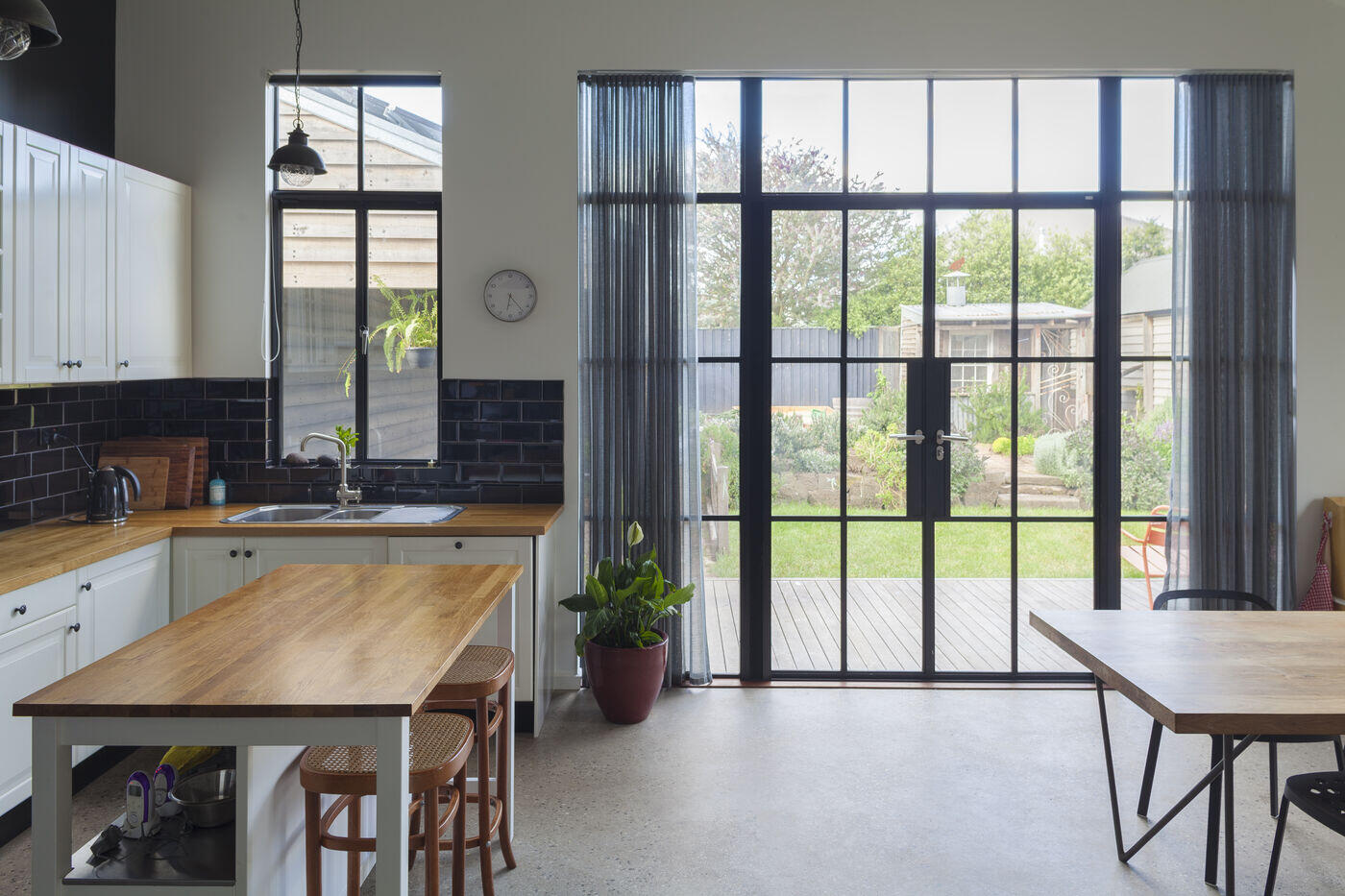
Central Victoria is rich with heritage buildings. Goldfields-era bluestone, Victorian-era brick, and early settler timber structures dot the landscape from Kyneton to Castlemaine. Restoring these buildings properly requires more than good intentions. It requires understanding the materials and methods of the era.
Why compatible materials matter
The single most common mistake in heritage restoration is using modern cement-based products on old buildings. Portland cement is hard, rigid, and impermeable. Historic buildings were built with soft lime mortars that flex, breathe, and accommodate movement.
When hard cement is applied to soft masonry, moisture gets trapped. The stone or brick deteriorates faster than it would have without any intervention at all. We've seen beautiful bluestone buildings damaged by well-meaning but poorly informed repairs.
Lime mortars and renders
We use traditional lime putty mortars mixed on-site to match the original composition as closely as possible. This includes sourcing appropriate sands, matching grain size and colour, and testing the mix before application.
For lime renders, we typically apply three coats: a scratch coat for adhesion, a floating coat for levelling, and a finish coat for the final surface. Each coat needs to cure slowly, kept damp over several days. It's slower than modern alternatives, but the result is a wall that will last another century.
Stone conservation
Bluestone, sandstone, and granite each require different approaches. Cleaning methods must be gentle enough to remove grime without damaging the stone surface. We never use high-pressure water blasting on heritage masonry.
Where stone has deteriorated, we assess whether repair, replacement, or consolidation is appropriate. Replacement stone needs to be sourced from the same geological formation where possible, cut to match the original dimensions and finish.
Working with heritage overlays
Many properties in the Macedon Ranges and goldfields region are covered by heritage overlays. This means any external changes require council approval and, in some cases, Heritage Victoria sign-off.
We have extensive experience navigating this process. Good documentation, clear photography, and a demonstrated understanding of conservation principles make approvals far smoother.
Combining old and new
Heritage restoration doesn't mean freezing a building in time. The best outcomes come from respectful additions that clearly distinguish new work from original fabric. Our Kyneton Heritage project is a strong example, where hempcrete insulation was used within the heritage envelope, paired with lime plaster finishes that complement the original character.
Have a heritage property that needs attention?
We understand the unique challenges of working with historic buildings. Let's discuss your project.
Get in Touch