Natural vs Conventional Building: Pros, Cons & Costs
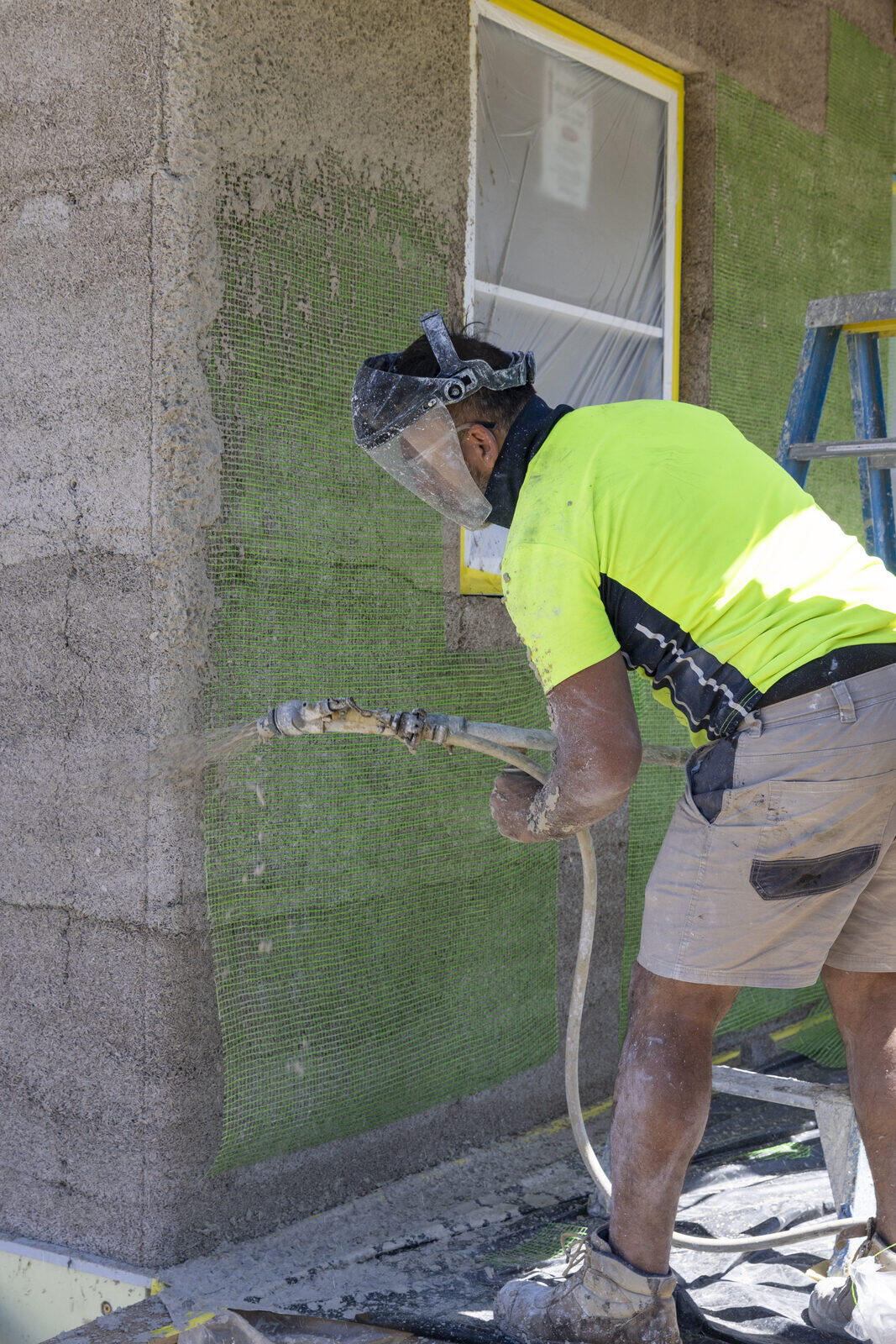
Choosing between natural and conventional building methods is one of the first decisions in any custom home project. Each approach offers distinct advantages, and the right choice depends on your priorities, budget, and long-term goals.
Defining Natural vs Conventional Building
Natural Building Methods
Natural building uses materials with minimal processing, often locally sourced:
- Hempcrete: Hemp hurds mixed with lime binder
- Rammed earth: Compressed soil, sand, and stabilizers
- Straw bale: Baled straw as insulation or structure
- Natural stone: Local stone with minimal processing
- Earth plasters: Clay-based wall finishes
- Timber framing: Traditional joinery without metal fasteners
Conventional Building Methods
Conventional building relies on manufactured materials and standardized systems:
- Steel or timber frame: Standardized dimensional lumber or steel
- Brick veneer: Clay bricks over frame construction
- Concrete block: Masonry construction with mortar
- Drywall: Gypsum board interior walls
- Fiberglass insulation: Manufactured batt or blown insulation
- Vinyl or fiber cement: Manufactured exterior cladding
Performance Comparison
R2.5-4.0 per 100mm
Moderates temperature swings
R1.5-6.0 depending on system
Fast temperature response
Natural humidity regulation
Prevents moisture problems
Controlled moisture management
Risk if incorrectly installed
Requires good roof and drainage
Self-healing properties
Predictable maintenance schedules
Standard repair methods
Dense materials don't ignite easily
No toxic smoke when heated
Fire ratings well understood
Some materials release toxins
Lime-based materials deter insects
No food source for termites
Chemical treatments for timber
Steel frame eliminates termite risk
Cost Analysis
Initial Construction Costs
Basic Natural Building
Hempcrete walls, timber frame, natural finishes
Basic Conventional Building
Timber frame, brick veneer, standard finishes
Premium Natural Building
Complex natural systems, high-end finishes
Premium Conventional Building
Engineered systems, premium materials
Cost Factors for Natural Building
Higher Upfront Costs
- Specialized labor: Fewer builders experienced with natural materials
- Material sourcing: Natural materials often require more effort to obtain
- Extended timeframes: Natural materials often require longer curing/drying times
- Custom approaches: Less standardization means more design time
Lower Ongoing Costs
- Energy efficiency: Superior thermal performance reduces heating/cooling
- Durability: Well-built natural buildings last centuries
- Low maintenance: Natural materials age gracefully
- Health benefits: Better indoor air quality may reduce healthcare costs
Environmental Impact
Natural Building Environmental Benefits
Carbon Sequestration
Many natural materials actively remove CO₂ from the atmosphere:
- Hempcrete: Sequesters 110kg CO₂ per cubic meter
- Timber: Stores carbon from atmospheric CO₂
- Lime mortars: Re-absorb CO₂ during curing process
Low Embodied Energy
- Minimal processing: Materials used close to natural state
- Local sourcing: Reduced transport energy
- Renewable materials: Hemp, straw, and timber regenerate quickly
Conventional Building Environmental Impact
High Embodied Energy
- Manufacturing processes: Energy-intensive production of steel, cement, glass
- Transport: Materials often shipped long distances
- Processing: Multiple manufacturing steps for many materials
Resource Consumption
- Non-renewable materials: Steel, aluminum, concrete use finite resources
- Mining impact: Extraction affects landscapes and ecosystems
- Waste generation: Manufacturing and construction waste
Construction Timeline
Natural Building Timelines
Hempcrete Construction
- Frame stage: Similar to conventional (4-6 weeks)
- Hempcrete application: 2-3 weeks depending on size
- Drying time: 4-8 weeks before interior work
- Finishing: Natural plasters add 2-3 weeks
Rammed Earth Construction
- Site preparation: Critical soil testing and preparation
- Wall construction: Weather dependent, 1-2 levels per day
- Curing time: Walls cure as construction progresses
Conventional Building Timelines
- Frame stage: 4-6 weeks for timber, 2-3 weeks for steel
- Envelope: Brick veneer or cladding, 3-4 weeks
- Interior: Drywall and finishing, 6-8 weeks
- Total: 16-20 weeks vs 20-28 weeks for natural building
Skill Requirements and Labor
Natural Building Skills
Specialized Knowledge Required
- Material properties: Understanding how natural materials behave
- Traditional techniques: Craft skills often passed down through generations
- Site adaptation: Adjusting techniques for local conditions
- Troubleshooting: Problem-solving without standard solutions
Builder Selection
Finding qualified natural builders requires research:
- Portfolio review: Look for similar projects and techniques
- Training background: Formal training or apprenticeship in natural building
- Innovation capability: Ability to adapt to site-specific challenges
- Network of trades: Access to skilled natural building craftspeople
Conventional Building Skills
Standardized Training
- Trade certification: Standard qualifications for most trades
- Code compliance: Well-established building standards
- Quality control: Standardized inspection processes
- Wide availability: Many qualified contractors available
Regional Considerations for Victoria
Climate Suitability
Natural Building Advantages
- Temperature moderation: Thermal mass handles Victoria's temperature swings
- Humidity control: Breathable walls manage seasonal humidity changes
- Durability: Many natural materials handle freeze-thaw cycles well
Climate Challenges
- Wet winters: Extended drying times, protection requirements
- UV exposure: Some natural finishes require protection or maintenance
- Fire risk: Bushfire-prone areas may limit some natural materials
Local Material Availability
Natural Materials in Victoria
- Hemp: Limited local production, improving availability
- Stone: Excellent local sources (sandstone, granite, basalt)
- Timber: Sustainable plantation timber available
- Clay: Good local clay sources for earthen construction
Conventional Materials
- Standardized supply: Well-established supply chains
- Competitive pricing: Volume purchasing and competition
- Quality consistency: Manufactured to standard specifications
Building Code and Approval Considerations
Natural Building Approvals
Engineering Requirements
- Structural engineering: Often required for non-standard systems
- Thermal modeling: Demonstrate compliance with energy codes
- Fire engineering: May be required in bushfire-prone areas
Approval Process
- Extended timelines: Non-standard approaches take longer to approve
- Documentation: More detailed construction documentation required
- Inspections: Specialized inspections may be needed
Conventional Building Approvals
- Standard process: Well-established approval pathways
- Predictable timelines: Standard processing times
- Familiar systems: Building surveyors comfortable with conventional methods
Making the Decision
Choose Natural Building If:
- Environmental impact is a priority: Want to minimize carbon footprint
- Long-term thinking: Planning to stay in home for decades
- Health consciousness: Prefer chemical-free living environments
- Unique aesthetics: Want character impossible to achieve conventionally
- Thermal comfort matters: Value stable, comfortable indoor temperatures
- Quality over speed: Willing to wait for superior long-term performance
Choose Conventional Building If:
- Budget is tight: Lower upfront costs are essential
- Speed is important: Need to move in quickly
- Predictability is valued: Prefer known costs and timelines
- Resale concerns: Worried about market acceptance
- Standard aesthetics: Happy with conventional appearance
- Builder availability: Limited access to natural building specialists
Hybrid Approaches
Best of Both Worlds
Many successful projects combine natural and conventional methods:
Common Combinations
- Conventional frame + natural infill: Steel/timber frame with hempcrete walls
- Natural walls + conventional roof: Rammed earth walls with steel roof
- Partial natural systems: Natural materials in specific areas (bedrooms, living areas)
- Natural finishes on conventional structure: Earth plasters over drywall
Benefits of Hybrid Approach
- Risk management: Reduces technical and timeline risks
- Cost control: Use natural materials where most beneficial
- Approval simplification: Easier to get approval for partial natural systems
- Builder comfort: More builders comfortable with hybrid approaches
Future Considerations
Market Trends
- Growing acceptance: Natural building becoming more mainstream
- Code development: Building codes evolving to accommodate natural methods
- Training programs: More builders learning natural building skills
- Material availability: Supply chains developing for natural materials
Technology Integration
- Modern services: Smart home technology works with any building method
- Performance monitoring: Sensors can optimize natural building performance
- Simulation tools: Better modeling of natural building performance
Explore Natural Building with SANA
With over 50 hempcrete projects completed, we can help you understand whether natural building is right for your project, or how to incorporate natural elements into a conventional build.