Sustainable Building Materials: Complete Guide for Your Home
Sustainable building materials are no longer just for eco-warriors. Today's environmentally conscious materials often outperform conventional options in durability, comfort, and long-term value while reducing your home's environmental impact.
Why Choose Sustainable Materials?
Environmental Benefits
- Reduced carbon footprint: Many sustainable materials store carbon rather than emit it
- Lower embodied energy: Less energy required for manufacturing and transport
- Renewable resources: Materials that regenerate faster than they're consumed
- Reduced waste: Many options use recycled or rapidly renewable content
Performance Benefits
- Superior insulation: Natural materials often provide better thermal performance
- Moisture regulation: Breathable materials manage humidity naturally
- Durability: Many sustainable options last longer than conventional alternatives
- Healthier indoor air: Low or zero VOC emissions
Sustainable Structural Materials
Hempcrete
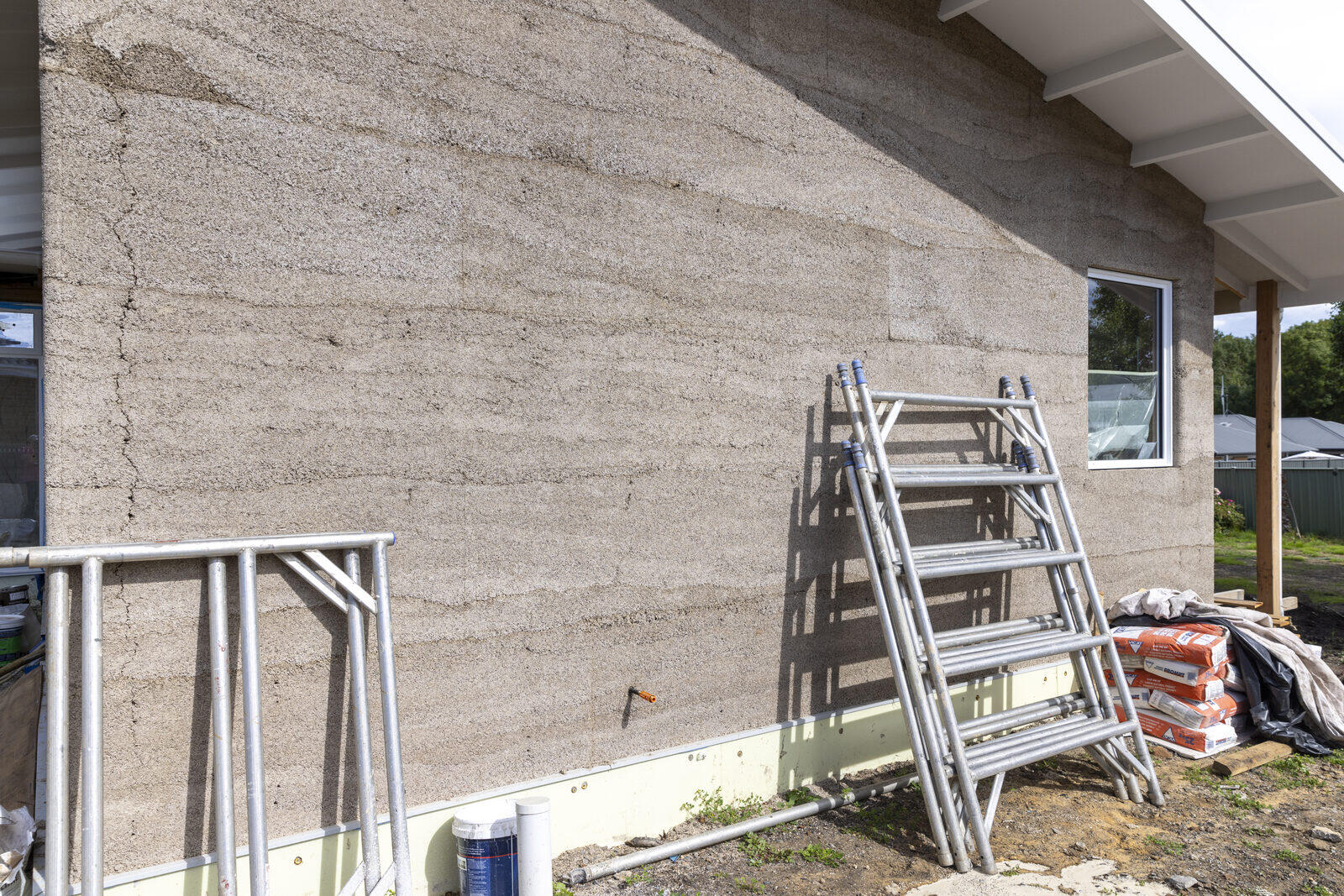
Our specialty at SANA, hempcrete combines hemp hurds (woody core of hemp stems) with a lime binder to create a lightweight, insulating building material.
Best for: External and internal walls, excellent for passive house designs
Considerations: Requires lime render finish, longer drying times than conventional walls
Engineered Timber
Cross-laminated timber (CLT) and laminated veneer lumber (LVL) offer strength comparable to steel with significantly lower environmental impact.
Benefits:
- Faster construction than concrete or steel
- Excellent seismic performance
- Natural insulation properties
- Carbon sequestration
Applications: Structural frames, floors, feature walls
Cost: Competitive with steel frame for larger spans
Recycled Steel
Steel with high recycled content (80-90%) provides structural strength with reduced environmental impact.
Advantages:
- 100% recyclable at end of life
- Precise engineering and consistency
- Termite and fire resistant
- Suitable for complex designs
Sustainable Insulation Options
Wool Insulation
Sheep's wool provides excellent thermal and acoustic insulation with natural moisture management.
- R-Value: Similar to polyester batts
- Benefits: Fire resistant, regulates humidity, biodegradable
- Cost: 20-30% premium over synthetic options
Cellulose Insulation
Made from recycled paper and cardboard, treated with non-toxic fire retardants.
- Performance: Excellent thermal and acoustic properties
- Installation: Blown-in or dense-pack
- Cost: Comparable to fibreglass
Cork Board
Harvested without harming cork oak trees, cork provides insulation and structure.
- Applications: Under-slab insulation, feature walls
- Benefits: Waterproof, pest resistant, antimicrobial
- Cost: Premium option, excellent longevity
Sustainable Exterior Materials
Reclaimed Timber Cladding
Salvaged timber from old buildings provides character and reduces demand for new timber.
- Sources: Old barns, warehouses, demolished buildings
- Species: Often rare or slow-growing varieties no longer available
- Treatment: Requires assessment and potential pest treatment
Rammed Earth
Compressed earth walls provide thermal mass and natural aesthetics.
- Performance: Excellent thermal mass, noise reduction
- Aesthetics: Natural earth tones, unique textures
- Durability: Hundreds of years with proper design
Natural Stone
Local stone reduces transport costs and provides regional character.
- Victorian options: Sandstone, granite, bluestone
- Applications: Feature walls, landscaping, foundations
- Sustainability: Extremely durable, no processing required
Sustainable Roofing Solutions
Living Roofs
Planted roofs provide insulation, manage stormwater, and create habitat.
- Extensive systems: Lightweight, low maintenance
- Intensive systems: Gardens and recreation spaces
- Benefits: Excellent insulation, urban heat island reduction
Recycled Metal Roofing
Steel and aluminium roofing with high recycled content.
- Durability: 50+ years lifespan
- Energy efficiency: Reflective coatings reduce cooling loads
- End-of-life: 100% recyclable
Clay and Concrete Tiles
Natural materials that improve with age and weather naturally.
- Thermal mass: Moderates indoor temperatures
- Longevity: 50-100+ years
- Local production: Reduces transport impacts
Interior Sustainable Finishes
Natural Plasters
Lime, gypsum, and clay plasters provide breathable wall finishes.
- Lime plaster: Antimicrobial, self-healing properties
- Clay plaster: Natural colours, excellent for earth walls
- Gypsum: Smooth finish, good for feature walls
Sustainable Flooring
Bamboo Flooring
- Growth rate: Harvest in 3-5 years vs 20+ for hardwood
- Durability: Harder than many timber species
- Cost: Comparable to quality hardwood
Cork Flooring
- Comfort: Natural cushioning and warmth
- Sustainability: Harvested without killing trees
- Performance: Naturally antimicrobial and hypoallergenic
Recycled Hardwood
- Character: Patina and grain impossible to replicate
- Stability: Pre-seasoned and stable
- Species: Access to rare or protected timber varieties
Cost Considerations
Initial Investment
Sustainable materials typically cost 5-25% more upfront, but this varies significantly:
- Cost neutral: Recycled steel, cellulose insulation
- Small premium: Wool insulation, sustainable timber
- Significant premium: Hempcrete, cork products, living roofs
Life-Cycle Costs
Many sustainable materials offer superior value over their lifetime:
- Energy savings: Better insulation reduces heating/cooling costs
- Durability: Longer lifespan reduces replacement costs
- Maintenance: Many natural materials age gracefully with minimal care
- Health benefits: Better indoor air quality reduces healthcare costs
Choosing the Right Materials
Climate Considerations
Victoria's climate influences material selection:
- Temperature range: Materials must handle -5°C to 40°C
- Rainfall: Moisture management crucial, especially in Central Victoria
- UV exposure: High UV requires protective finishes or UV-stable materials
- Fire risk: Bushfire-prone areas need compliant materials
Building Code Compliance
Ensure sustainable materials meet Australian building codes:
- Structural requirements: Engineer certification may be needed
- Fire ratings: Especially important in bushfire areas
- Insulation standards: Must meet energy efficiency requirements
- Accessibility: Slip resistance and other safety factors
Working with Sustainable Builders
Choose builders experienced with sustainable materials:
- Portfolio: Proven track record with natural materials
- Knowledge: Understanding of installation techniques and requirements
- Supply chains: Established relationships with sustainable suppliers
- Innovation: Willingness to explore new sustainable options
Future Trends
Emerging sustainable materials to watch:
- Mycelium insulation: Grown from mushroom roots
- Algae-based materials: Carbon-negative building products
- 3D-printed earth: Automated construction with local soils
- Bio-based composites: Plant fiber alternatives to fiberglass
Build Sustainably with SANA
Ready to explore sustainable materials for your custom home? Our team has extensive experience with natural and eco-friendly building materials across Central Victoria.